Introduction
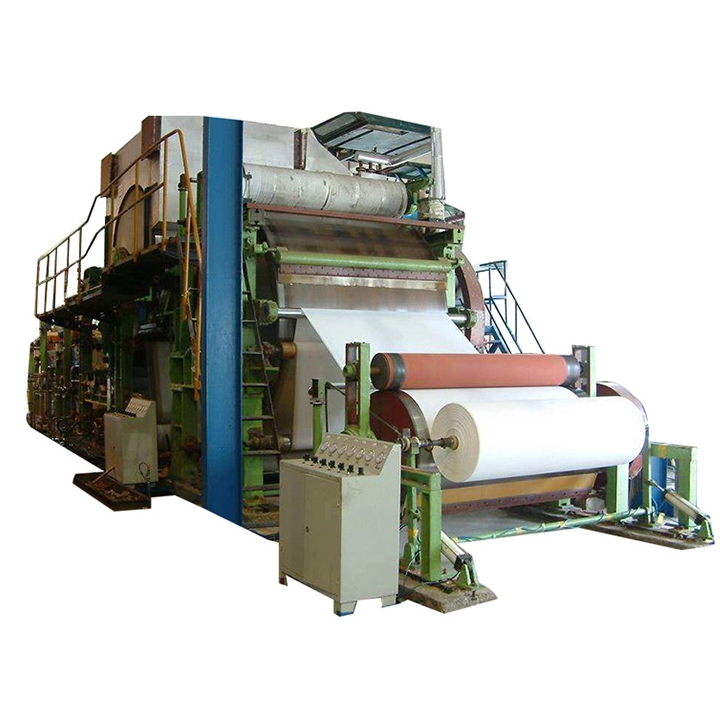
Starting a tissue production business requires more than just a roll of paper. It demands a sophisticated sequence of mechanical engineering to transform massive jumbo rolls into the soft, perforated squares we use every day. If you are asking what machines you need, you are likely looking for an industrial solution to enter a stable, high-demand market.
The toilet paper making machine setup typically consists of three primary stages: rewinding, cutting, and packaging. In this expert guide, we will break down the essential hardware required to build a high-efficiency production line. We will focus on the technical capabilities of modern equipment, from fully automatic systems to PLC control units that ensure your operation runs smoothly with minimal waste.
The Core Component: The Toilet Paper Rewinding Machine
The heart of any production facility is the rewinding unit. This is the first toilet paper making machine you will interact with. Its job is to take large jumbo rolls (parent rolls) and wind them into long logs of the correct diameter and tightness. Without a high-quality rewinder, the rest of your production line has nothing to process.
Modern rewinding technology has moved far beyond manual operation. Today, an industrial rewinder handles tension control automatically. It ensures the paper doesn't tear while being pulled at a high speed. Furthermore, these machines incorporate several secondary functions during the rewinding process:
Perforation: It creates those tiny holes that let you tear off individual sheets.
Tail Gluing: It seals the end of the roll so it doesn't unravel during transport.
Edge Trimming: It ensures the sides of the log are perfectly straight.
Investing in a rewinder with PLC control allows you to adjust the tightness and sheet count via a simple touchscreen interface. This flexibility is vital if you plan to produce both "budget" rolls and "premium" thick rolls on the same line.
Enhancing Texture with Custom Embossing Units
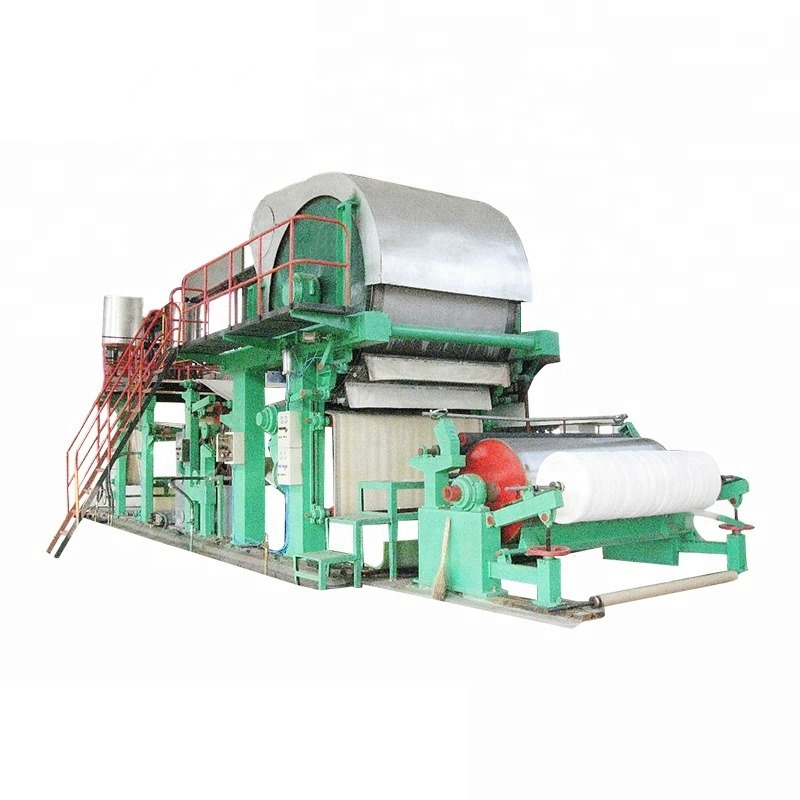
Why do some brands feel softer or look more luxurious than others? The secret lies in the embossing unit, which is often integrated directly into the toilet paper making machine line. Embossing isn't just for decoration; it creates air pockets between the layers of paper, significantly increasing bulkiness and liquid absorption.
When selecting your machinery, look for custom embossing capabilities. You can choose between "point-to-point" or "nested" embossing patterns.
Single Embossing: Perfect for 1-ply or standard 2-ply products.
Double Embossing: Uses glue to laminate two layers together, creating a much thicker and softer hand-feel.
A fully automatic embossing system maintains consistent pressure. This prevents the paper from being crushed, which would reduce its softness. If you want to stand out in a crowded market, having a unique custom embossing pattern acts as a silent brand ambassador, signaling quality to the consumer the moment they touch the product.
High-Speed Log Saws: Precision Cutting Technology
Once the rewinder produces a "log" (a long tube of toilet paper usually 1.2 to 2.8 meters long), it must be sliced into the individual rolls you see in stores. This is where the high speed log saw comes into play. It is a critical toilet paper making machine that determines your final output capacity.
Manual paper cutters are slow and dangerous. In contrast, an industrial log saw uses a circular blade that is automatically sharpened during operation. These machines can perform up to 150 cuts per minute. Because they are integrated into the fully automatic line, they receive logs directly from the rewinder without human intervention.
Key advantages of advanced log saws include:
Automatic Blade Sharpening: Ensures every cut is clean and lint-free.
Adjustable Roll Width: Allows you to switch between standard toilet rolls and taller kitchen towels.
Waste Removal: Automatically trims the "cookie" (the uneven ends of the log) and sends it to a recycling bin.
Automation and Intelligence: The Power of PLC Control
In a modern factory, you don't want workers constantly turning knobs to keep things aligned. This is why PLC control (Programmable Logic Controller) is the gold standard for a toilet paper making machine. It acts as the brain of the entire operation, synchronizing the speed of the rewinder with the cutter and the packager.
Why PLC Control is Non-Negotiable
If the rewinder speeds up but the log saw stays at the same pace, you get a massive bottleneck and potential mechanical failure. A fully automatic system with PLC control prevents this by using sensors to monitor paper flow. If a roll jams, the system stops instantly, saving your motors from burnout and reducing material waste.
User Interface and Troubleshooting
Modern machines use HMI (Human Machine Interface) touchscreens. Even workers with basic training can operate the toilet paper making machine by following on-screen prompts. These systems also log data, telling you exactly how many rolls you produced in a shift and notifying you when it is time for preventative maintenance.
Industrial Packaging Solutions for Professional Presentation
After the rolls are cut, they need protection. The packaging stage is where the toilet paper making machine ensures the product is hygienic and ready for the shelf. You generally need two types of packaging machines: one for individual/small bundles and one for large bulk bags.
A fully automatic packaging line uses heat-sealing technology to create airtight bonds. It can also integrate a printer to apply batch numbers, expiration dates, and barcodes directly onto the plastic. Using an industrial wrapper ensures that the plastic is pulled tight, creating a "brick" shape that is easy to stack on pallets.
Support Equipment: Air Compressors and Raw Materials
While the toilet paper making machine gets all the glory, it cannot function without support systems. Most fully automatic machines rely on pneumatic components (air-powered parts) to move delicate paper without tearing it.
Essential Utilities
Air Compressor: They provide the pressure needed for the PLC control valves and cylinders to operate.
Core Making Machine: Unless you buy pre-made cardboard tubes, you will need a machine to roll and glue cardboard into the cores that the paper winds around.
Band Saw (Optional): Used for manual or small-batch cutting if the main log saw needs maintenance.
Without a steady supply of high-quality "Parent Rolls," your industrial machinery is useless. You must source jumbo rolls that match the width of your rewinder. Choosing the right GSM (grams per square meter) will determine if your final product is 1-ply, 2-ply, or 3-ply.
Scaling Your Production: From Small Start-up to Industrial Giant
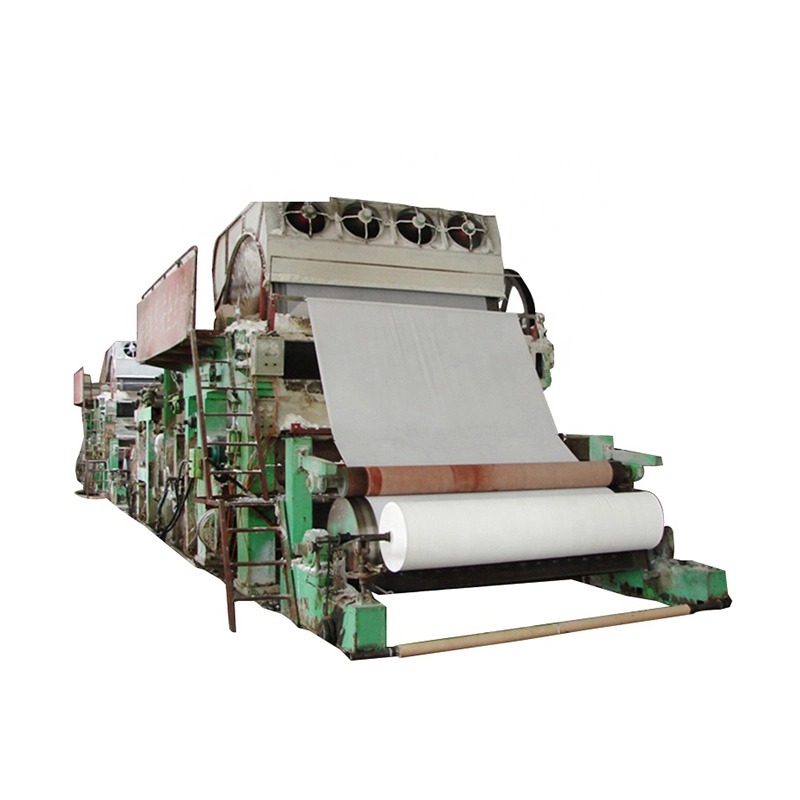
Choosing a toilet paper making machine depends heavily on your planned scale. A common mistake is buying a machine that is too small, only to find that it cannot keep up with demand within six months.
Small-Scale Setup
For those just starting, a semi-automatic line might suffice. You will still need a rewinder and a cutter, but you might pack the rolls by hand. This reduces the initial investment but increases labor costs.
High-Volume Industrial Setup
For a serious industrial venture, a fully automatic line is the only way to remain competitive. These lines run at high speed, often producing 2 to 3 tons of finished product per 8-hour shift. Because they require fewer operators, your cost-per-roll drops significantly, allowing you to compete with established brands on price.
Maintenance and Longevity of Your Investment
A toilet paper making machine is a significant investment. Keeping it in top condition requires a strict maintenance schedule. Because tissue production creates a lot of paper dust, cleaning is the most important daily task.
Dust Extraction: High-end industrial machines often come with built-in vacuums to remove paper lint before it clogs the sensors.
Lubrication: Moving parts must be oiled regularly to handle the friction of high speed operation.
Software Updates: If your machine has PLC control, the manufacturer may offer updates to improve efficiency or add new custom embossing features.
Regularly checking the sharpness of the log saw blade and the tension of the drive belts will prevent 90% of common production delays.
Conclusion
Building a tissue production line is a journey of choosing the right technology. From the fully automatic rewinder to the precision of the high speed log saw, every toilet paper making machine plays a vital role. By prioritizing features like PLC control and custom embossing, you ensure that your business can produce high-quality, market-ready products that consumers trust.
FAQ
Q: How much space do I need for a full toilet paper making machine line?
A: A standard fully automatic line usually requires a space of about 150 to 200 square meters. You also need additional space for storing jumbo rolls and finished stock.
Q: Can one machine make both toilet rolls and kitchen towels?
A: Yes. Many industrial rewinders and log saws with PLC control allow you to adjust the settings to produce different roll diameters and widths.
Q: Is it hard to learn how to operate the PLC control?
A: Not at all. Most modern systems use intuitive touchscreens with icons. We provide training to ensure your staff can handle the fully automatic functions safely.
Why Choose Our Machinery Solutions?
As a dedicated leader in the paper machinery industry, we bring years of manufacturing excellence to your doorstep. Our factory isn't just a production site; it is a hub of innovation where we develop industrial-grade toilet paper making machine solutions tailored for global markets. We understand the B2B landscape deeply, which is why our equipment is designed for 24/7 reliability, high speed output, and ease of maintenance.
Our strength lies in our technical mastery—from advanced PLC control integration to providing custom embossing rollers that give your brand a unique edge. We don't just sell machines; we provide complete production ecosystems. When you partner with us, you are gaining access to our vast engineering expertise and a support team committed to your long-term success in the tissue industry.


