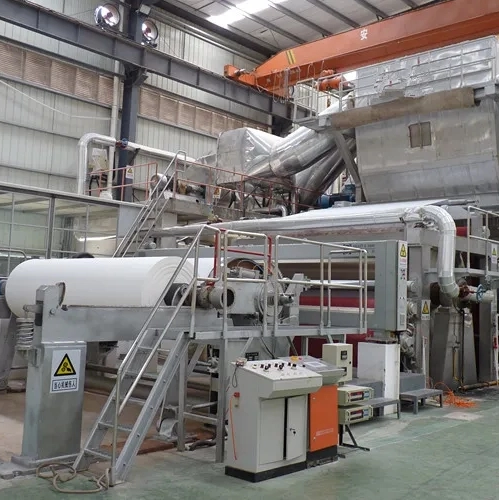
Have you ever wondered how the tissue paper you use daily is made? Tissue paper plays a crucial role in our lives, from hygiene to cleaning. This comprehensive guide explores the tissue paper manufacturing process. You'll learn about the importance of tissue paper, its everyday uses, and the industry's growth. Join us as we delve into the fascinating world of Tissue Paper Making Machines and their role in production.
Types of Tissue Paper
Tissue paper comes in various types, each designed for specific uses. Understanding these types helps manufacturers tailor their production processes and materials to meet different needs. Here’s an overview of the most common tissue paper types:
Toilet Paper
Toilet paper is the most widely used tissue paper product. It focuses on comfort and hygiene for personal use in bathrooms. It needs to be soft, strong enough to avoid tearing during use, and easily dissolvable in water to prevent plumbing issues. Manufacturers often use virgin pulp or a mix with recycled pulp to achieve the right balance of softness and strength.
Facial Tissues
Facial tissues are softer and gentler than toilet paper. They are designed for wiping the face and nose, especially during colds or allergies. Because they come in direct contact with sensitive skin, manufacturers prioritize softness and minimal irritation. Additives or special processing may be used to enhance softness and reduce dust.
Paper Towels
Paper towels are heavier and more absorbent than facial tissues or toilet paper. They are mainly used in kitchens and cleaning tasks. Their strength and high absorbency allow them to soak up spills and handle tougher cleaning jobs. Paper towels often have a textured surface to improve grip and absorption.
Napkins
Napkins serve a dual purpose: cleaning hands and mouth during meals and protecting clothing and surfaces. They come in various thicknesses and sizes, from thin single-ply to thicker multi-ply options. Napkins can be plain or printed with decorative patterns, especially for events or restaurants.
Wrapping Tissue
Wrapping tissue paper is lightweight and delicate, mainly used for packaging and gift wrapping. Its primary function is aesthetic rather than absorbent. It provides a soft, colorful layer that protects fragile items and adds visual appeal. This tissue often uses thin, dyed, or printed paper.
Each tissue type requires specific manufacturing adjustments. For example, toilet paper and facial tissues focus on softness and strength, while paper towels emphasize absorbency and durability. Manufacturers may add chemicals or modify the creping process to achieve the desired texture and performance.
Tip: When planning tissue paper production, tailor raw materials and processing techniques to each tissue type’s unique requirements for optimal product quality and customer satisfaction.
Tissue Paper Manufacturing Process
The tissue paper manufacturing process is quite different from regular paper making. It requires special machines and steps to create soft, absorbent, and delicate tissue paper suited for various uses.
Introduction to the Manufacturing Process
Tissue paper starts with raw materials like virgin or recycled pulp. These materials are turned into a watery slurry called pulp. The pulp then goes through several refining and cleaning steps to prepare it for sheet formation. Unlike regular paper, tissue paper demands extra softness and flexibility, so the machinery and techniques are tailored accordingly.
Comparison with Regular Paper Manufacturing
While both tissue and regular paper start with pulping, tissue paper manufacturing focuses more on softness and absorbency. Regular paper is often thicker and stiffer, used for printing or packaging. Tissue paper undergoes additional processes like creping, which gives it a crinkled texture that enhances softness and stretchability. The drying and pressing methods also differ to keep tissue paper thin and delicate.
Detailed Steps in the Process
PulpingRaw materials mix with water and chemicals to break fibers down into pulp. This slurry forms the base for tissue paper.
RefiningThe pulp is beaten and refined to improve fiber bonding. This step makes the tissue stronger yet soft.
ScreeningPulp passes through screens to remove impurities and ensure uniform fiber size.
FormingThe cleaned pulp flows onto a moving mesh screen (forming fabric) where water drains, and fibers start bonding into a sheet.
PressingThe wet sheet goes through press rollers to squeeze out excess water, reducing moisture content.
DryingThe sheet passes over heated cylinders to remove remaining moisture, leaving a dry tissue sheet.
CrepingA metal blade scrapes the sheet off the drying cylinder, creating tiny folds and wrinkles. This step adds softness and stretch to the tissue.
ConvertingLarge tissue rolls are cut, perforated, and packaged into consumer sizes like toilet rolls or facial tissue boxes.
Each step is carefully controlled to balance strength, softness, and absorbency. The right combination ensures tissue paper meets consumer expectations for comfort and functionality.
Raw Materials Used
The quality and type of raw materials significantly impact tissue paper's softness, strength, and absorbency. The two main raw materials are virgin pulp and recycled pulp. Each has its advantages and influences the final product differently.
Virgin Pulp
Virgin pulp comes from fresh wood fibers, usually sourced from softwood and hardwood trees. This pulp is known for its purity and high quality. It produces tissue paper that is soft, strong, and highly absorbent. Because it contains long, intact fibers, virgin pulp allows better bonding, resulting in a durable yet gentle tissue. Many premium tissue papers use virgin pulp to meet high standards for comfort and performance.
Recycled Pulp
Recycled pulp is made from used paper products that have been collected, cleaned, and processed into pulp again. It offers an eco-friendly alternative to virgin pulp by reducing waste and saving natural resources. Recycled pulp is less expensive but often contains shorter fibers and more impurities, which may affect softness and strength. Manufacturers may blend recycled pulp with virgin pulp to balance cost, environmental impact, and product quality.
Impact of Raw Material Quality on Final Product
The choice and quality of raw materials directly affect tissue paper characteristics:
Softness: Virgin pulp generally produces softer tissue. Recycled pulp may require additional refining or additives to improve softness.
Strength: Virgin pulp fibers are longer and stronger, resulting in more durable tissue paper. Recycled fibers tend to be shorter, making the tissue weaker unless blended or treated.
Absorbency: High-quality virgin pulp offers better absorbency. Recycled pulp can reduce absorbency unless carefully processed.
Cost: Virgin pulp is more expensive but yields premium quality. Recycled pulp lowers costs but may compromise some properties.
Manufacturers carefully select raw materials based on the tissue paper type and target market. For example, facial tissues often use mostly virgin pulp for softness, while paper towels might include more recycled pulp for strength and absorbency at a lower cost.
Steps Involved in Manufacturing
The tissue paper manufacturing process includes several key steps, each crucial to producing the soft, strong, and absorbent paper we use daily. Here’s a detailed look at each stage:
1. Pulping
Pulping is the first step. Raw materials like virgin pulp or recycled paper mix with water and chemicals. This breaks down fibers into a slurry called pulp. This watery mix forms the base for tissue paper.
2. Refining
Next, the pulp goes through refining. This process beats and softens the fibers, improving how they bond. Refining helps make the tissue paper strong yet soft, balancing durability and comfort.
3. Screening
The pulp then passes through screens. Screening removes impurities such as dirt, clumps, or oversized fibers. This ensures the pulp is clean and uniform, which is important for a smooth final product.
4. Forming
In forming, the cleaned pulp flows onto a moving mesh screen called a forming fabric. Water drains through the mesh, and fibers start bonding to form a wet sheet. The sheet moves forward for further processing.
5. Pressing
The wet sheet then passes between press rollers. These rollers squeeze out excess water, lowering moisture content. Pressing also compacts the fibers, making the sheet denser and ready for drying.
6. Drying
Drying removes the remaining moisture. The sheet passes over heated drying cylinders that evaporate water. Proper drying leaves a smooth, dry tissue sheet without damaging its delicate structure.
7. Creping
Creping is a unique step for tissue paper. A metal blade scrapes the sheet off the drying cylinder. This creates tiny folds and wrinkles, giving tissue its soft, stretchy texture. Creping also increases bulk and absorbency.
8. Converting
Finally, converting turns large tissue rolls into consumer products. The rolls are cut, perforated, and packaged into familiar forms like toilet rolls, facial tissues, or paper towels. This step prepares tissue paper for sale and use.
Each step requires careful control to balance softness, strength, and absorbency. Adjusting process parameters influences the final product’s feel and performance.
Machinery for Tissue Paper Manufacturing
Tissue paper manufacturing uses specialized machinery designed to handle delicate materials and produce soft, absorbent paper efficiently. These machines differ from those used in regular paper making because tissue paper requires unique qualities like softness, stretch, and thinness. Here’s a closer look at the key machines involved and how technology boosts manufacturing efficiency.
Introduction to Specialized Machinery
Tissue paper machines must carefully manage fiber bonding, moisture removal, and creping to create the right texture. Unlike standard paper machines, tissue machines focus on producing ultra-thin sheets without compromising strength. The machinery combines precision engineering and advanced controls to maintain consistent quality at high speeds.
Key Machines Used in the Process
Pulping Machines: These break down raw materials (virgin or recycled pulp) into a watery slurry called pulp. They ensure fibers separate properly for smooth processing.
Refiners: Refiners beat and soften fibers to improve bonding and softness. They adjust fiber length and flexibility to suit tissue paper’s delicate nature.
Screening Machines: These remove impurities and oversized particles from the pulp, ensuring uniform fiber distribution.
Headbox: The headbox evenly distributes the pulp slurry onto the forming fabric, controlling the sheet’s thickness and uniformity.
Crescent Former: This forming section shapes the wet fiber mat on a moving mesh, allowing water to drain and fibers to bond into a sheet.
Press Rollers: Press rollers squeeze out excess water from the wet sheet, reducing moisture and compacting fibers.
Yankee Dryer Cylinder: A large heated cylinder dries the paper by evaporating moisture. It also plays a key role in creping.
Creping Blade: This blade scrapes the dried sheet off the Yankee cylinder, creating micro-folds that add softness and stretch.
Hood: Surrounds the Yankee cylinder, controlling drying temperature and airflow for consistent moisture removal.
Pope Reel: This machine winds the finished tissue paper into large rolls for converting into consumer products.
Role of Technology in Manufacturing Efficiency
Modern tissue paper machines integrate sensors, automation, and computer controls to optimize every step. Real-time monitoring adjusts pulp flow, drying temperature, and creping pressure, ensuring consistent quality and minimal waste. Energy-efficient motors and heat recovery systems reduce power consumption, lowering costs and environmental impact.
Advanced machinery also supports quick changeovers between different tissue types or grades, increasing production flexibility. This adaptability helps manufacturers meet varying market demands without sacrificing efficiency.
Factors Influencing Manufacturing Costs
Manufacturing tissue paper involves several cost-driving factors. Understanding these helps businesses plan budgets and optimize production for better profitability.
Raw Material Quality
Raw materials form the base cost. Virgin pulp, known for softness and strength, costs more than recycled pulp. Using high-quality virgin pulp improves product feel and durability but raises expenses. Recycled pulp lowers costs but may reduce softness and strength. Many manufacturers blend both to balance quality and cost.
Production Volume
Production scale affects cost per unit. Larger volumes spread fixed costs like machinery and labor over more units, lowering average expenses. Small-scale production faces higher costs per roll or sheet. Achieving economies of scale is key for competitive pricing and profitability.
Energy Consumption
Energy use is a major operational cost. Drying tissue paper consumes significant electricity or fuel. Efficient energy management, such as heat recovery systems and optimized drying cycles, cuts costs. Energy-efficient machinery further reduces consumption and environmental impact.
Technology and Machinery
Investing in modern, automated machinery raises upfront costs but boosts long-term efficiency. Advanced equipment minimizes waste, reduces downtime, and improves product consistency. Automation lowers labor needs and speeds production, lowering overall costs over time.
Labor Costs
Skilled labor is vital across all manufacturing stages. Labor costs vary by region and expertise. Efficient workforce training and streamlined processes improve productivity, reducing labor cost per unit. Balancing labor expenses with automation and technology is crucial.
Conclusion
The tissue paper manufacturing process involves specialized machinery and techniques to create soft, absorbent products. Sustainable practices, such as using recycled pulp, are essential to balance quality and environmental impact. Future trends in the industry focus on energy efficiency and automation to enhance production. FRD offers high-quality tissue paper that combines softness and strength, meeting diverse consumer needs while prioritizing sustainability. Their commitment to innovation ensures that their products provide exceptional value and performance.
FAQ
Q: What is a Tissue Paper Making Machine?
A: A Tissue Paper Making Machine is specialized equipment designed to produce soft, absorbent tissue paper by managing fiber bonding, moisture removal, and creping.
Q: How does a Tissue Paper Making Machine enhance production efficiency?
A: A Tissue Paper Making Machine integrates automation and sensors to optimize the manufacturing process, ensuring consistent quality and minimizing waste.
Q: Why is creping important in the tissue paper manufacturing process?
A: Creping adds softness and stretch to tissue paper, creating tiny folds that enhance its texture and absorbency.
Q: What factors influence the cost of a Tissue Paper Making Machine?
A: Factors include raw material quality, technology level, energy consumption, and production volume, impacting overall manufacturing costs.


