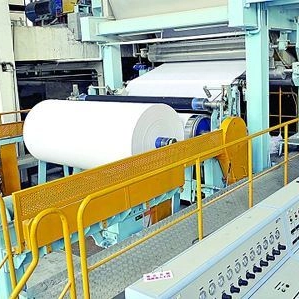
Facial tissue paper is a staple in households worldwide, offering convenience and hygiene. But have you ever wondered how it's made? This article delves into the intricate process of facial tissue paper production, exploring raw materials, pulping, and more. You'll learn about the Facial Tissue Paper Making Machine and its role in crafting soft, strong tissues for everyday use.
Raw Materials Used in Facial Tissue Paper Making
Facial tissue paper begins its life from a few key raw materials. These components are carefully chosen to ensure the final product is soft, strong, and gentle on the skin.
Primary Materials: Cellulose and Wood Pulp
The main ingredient in facial tissue is cellulose, a natural fiber found in plants. Most often, cellulose comes from wood pulp. Wood pulp is derived from trees that are processed to extract the fibrous material. This pulp forms the base of the tissue, giving it structure and absorbency. Wood pulp is favored because it is abundant, cost-effective, and produces a soft texture when processed correctly.
Role of Recycled Paper and Cotton Fiber
Besides fresh wood pulp, manufacturers often use recycled paper fibers. Recycling reduces waste and lowers production costs. Recycled fibers are cleaned and deinked before mixing with fresh pulp to maintain quality. Additionally, cotton fibers may be added to improve softness and durability. Cotton fiber blends help tissues feel gentler on the skin, making them ideal for facial use.
Additives: Softeners and Binders
To enhance the tissue's feel and performance, manufacturers add softeners and binders. Softeners make the tissue pliable and smooth, improving comfort during use. Binders help hold the fibers together, increasing strength without sacrificing softness. These additives are carefully balanced to create a tissue that is both resilient and gentle.
The Pulping Process
The pulping process is a crucial step in making facial tissue paper. It transforms raw materials like wood pulp and recycled fibers into a smooth, uniform pulp that forms the base of the tissue. This process involves breaking down fibers, cleaning them, and mixing them with water.
Breaking Down Fibers in the Pulper
The first stage starts in a machine called a pulper. Here, raw materials such as wood chips, recycled paper, or cotton fibers enter a large vat filled with water. The pulper agitates the mixture vigorously, breaking the fibers apart into smaller pieces. This action separates the fibers and creates a slurry known as pulp. The pulper’s mechanical action ensures the fibers are loosened without damaging their structure, which is important for the softness and strength of the final tissue.
Decontamination of Pulp Fibers
After breaking down the fibers, the pulp may contain impurities like ink, glue, or dirt, especially if recycled paper is used. To clean the pulp, air bubbles are injected into the slurry. The air bubbles attach to contaminants, lifting them to the surface where they can be removed. This process, called flotation deinking, helps purify the pulp. Additionally, the pulp passes through screens and filters to remove any remaining large particles or debris. This cleaning step ensures the tissue will be clean, hygienic, and visually appealing.
Mixing with Water to Form Pulp
Once cleaned, the pulp is mixed with a precise amount of water. This dilution creates a watery suspension that allows the fibers to move freely and align evenly during paper formation. The water content is carefully controlled to achieve the right consistency. Too much water makes the pulp too thin, while too little water makes it too thick to spread evenly. This watery pulp is then ready to be transferred to the paper-making machine, where it will be formed into thin sheets.
Paper Making and Use of Woven Wire Mesh
Role of Woven Wire Mesh in Dewatering
Once the pulp is ready, it moves onto the papermaking stage. Here, woven wire mesh plays a vital role. The pulp slurry is poured onto a moving mesh conveyor belt made of woven wire. This mesh acts as a screen that supports the wet fibers while allowing water to drain through its openings. As rollers press down on the pulp, water is squeezed out and passes through the mesh, leaving behind a mat of fibers on top. This dewatering step is essential to reduce moisture content and form a continuous sheet of paper.
How Woven Wire Mesh Helps in Forming Tissue Sheets
The mesh's open structure is designed with thousands of tiny, precise openings. These pores are smaller than the pulp fibers, so the fibers stay on the surface while water drains away. The mesh carries the pulp through pressing rollers that compact and shape the fibers into a thin, even layer. This process ensures uniform thickness and fiber distribution, which are key to producing soft, strong tissue sheets. The mesh conveyor also transports the wet sheet through drying stages, maintaining its form and quality.
Advantages of Using Stainless Steel Woven Wire Mesh
Stainless steel is the preferred material for woven wire mesh in tissue production. It offers remarkable strength and durability, withstanding constant pressure and wear during high-speed manufacturing. Unlike other screening materials, stainless steel mesh keeps its pore shape under heavy loads, ensuring consistent water drainage and fiber retention. This precision helps maintain tissue quality batch after batch. Additionally, stainless steel resists corrosion and contamination, supporting hygiene and longevity in the production line.
Embossing and Perforation Techniques
Enhancing Tissue Softness and Absorbency
Embossing is a key step that transforms plain tissue sheets into soft, comfortable products. During embossing, the tissue passes between engraved rollers that press patterns onto the paper. These patterns create raised and recessed areas, increasing the tissue's surface area. More surface area means better absorbency, so the tissue can soak up moisture quickly and hold it effectively. Embossing also adds a gentle texture, making the tissue feel softer and more luxurious against the skin. Manufacturers carefully choose embossing designs to balance softness with strength, ensuring the tissue doesn’t tear easily during use.
Creating Perforations for Easy Tearing
Perforation is another essential technique used on facial tissues. It involves making a series of small, closely spaced cuts or holes along the tissue sheet. These perforations allow users to tear off individual sheets easily and cleanly without ripping the tissue unevenly. The perforation spacing is designed to provide enough strength to hold the sheets together while still allowing effortless separation. This is especially important for tissues packaged in boxes or rolls, where convenience and neatness matter. Automated machines use rotary blades or laser cutters to create precise perforations at high speed, ensuring uniformity across every tissue.
Embossing Patterns for Aesthetic Appeal
Beyond function, embossing adds visual appeal to facial tissues. The patterns can range from simple dots and waves to intricate floral or geometric designs. These embossed motifs enhance the product’s look, making it more attractive to consumers. Some brands use embossing to create signature patterns that help distinguish their products on store shelves. The embossing process also helps the tissue maintain its shape and thickness, preventing it from feeling flat or flimsy. By combining aesthetics with improved performance, embossing elevates the overall user experience.
Conversion to Two-Ply and Four-Ply Sheets
Facial tissue paper gains its characteristic softness and strength through the conversion process, where single layers of paper are combined and prepared for consumer use. This step transforms large rolls of thin paper into multi-ply sheets, ready for folding, stacking, and packaging.
Process of Merging Paper Rolls
The process begins by taking two large rolls of tissue paper from the paper-making stage. These rolls are unwound simultaneously and fed into a converting machine. The machine carefully aligns the two sheets side by side and presses them together, forming a single two-ply sheet. Suction systems hold the layers together, ensuring they bond without wrinkles or air pockets. This merging improves durability and softness, as the two layers support each other during use.
For four-ply tissue, two two-ply sheets are merged similarly. The machine feeds the two two-ply sheets side by side, joining them into a thicker, more absorbent four-ply sheet. This layering creates a tissue that feels plush and is strong enough for multiple uses, ideal for premium facial tissue products.
Cutting and Folding Techniques
Once the multi-ply sheets are formed, the continuous sheet moves to the cutting station. Here, blades or rotary cutters slice the sheet into individual tissue-sized segments, commonly around eight and a half inches long. The cutting is precise to maintain uniform size and prevent ragged edges.
Next, the tissues undergo folding. The folding machine stacks the cut sheets into neat piles, folding them so each tissue can be pulled out easily from the box. The folds are designed to allow the next tissue to partially protrude after one is removed, making dispensing smooth and convenient. Folding machines can operate at high speeds, producing thousands of tissues per minute.
Interlocking System for Easy Dispensing
A key feature in facial tissue design is the interlocking system. After folding, tissues are arranged so that each tissue locks into the next. This arrangement means when a user pulls out one tissue, the next one pops up slightly, ready for immediate use. This system provides a hassle-free experience, especially important for tissues packaged in boxes.
The interlocking is achieved by carefully folding and stacking tissues so edges overlap perfectly. This requires precision machinery and quality control to ensure consistent performance. The interlocking system also helps keep the tissues neatly stacked inside the box, preventing jams or waste.
Packaging and Quality Control
Automated Packaging Process
Once facial tissues are folded and stacked, they move to the packaging stage. This part of the process is highly automated to ensure speed and consistency. Machines pick up the neatly folded tissue stacks and place them into pre-formed boxes or plastic wrappers. The packaging lines run at high speeds, often handling thousands of tissue packs per hour. Automation reduces human error, improves hygiene, and maintains product integrity throughout packaging.
The packaging machines also seal the boxes or wrappers securely. For boxed tissues, glue or tuck flaps hold the box closed. Plastic-wrapped tissues get heat-sealed to prevent contamination and moisture ingress. Sensors and cameras monitor the packaging process to detect any misalignment or defects, rejecting faulty packs automatically.
Incorporating Branding and Design
Packaging is more than just protection; it’s a key marketing tool. Manufacturers print attractive designs, logos, and product information on tissue boxes or wrappers. The design often reflects the brand’s identity and target audience preferences. Bright colors, elegant patterns, or soothing tones help tissues stand out on store shelves.
Some brands use eco-friendly packaging materials to appeal to environmentally conscious consumers. Others add features like easy-open tabs or resealable bags for convenience. The packaging design also includes important details such as the number of tissues per pack, ply count, and any special features like lotion or fragrance.
Ensuring Quality Standards: Softness, Strength, and Hygiene
Quality control is critical before tissues leave the factory. Samples from production lines undergo rigorous testing to ensure softness, strength, and hygiene meet standards. Softness tests check how gentle the tissue feels on skin, often using specialized instruments or human panels. Strength tests measure the tissue’s resistance to tearing when dry and wet.
Hygiene checks ensure tissues are free from contaminants. This includes monitoring the production environment for cleanliness and testing tissues for microbial presence. Packaging seals also get inspected to confirm airtight closure.
Manufacturers maintain strict quality management systems to track defects and improve processes continuously. Only batches that pass all tests proceed to shipping, guaranteeing consumers receive high-quality, safe facial tissues.
Conclusion
Facial tissue paper production involves selecting raw materials like cellulose and recycled fibers, then processing them into pulp. Advanced technology, including woven wire mesh and embossing techniques, enhances tissue softness and absorbency. Future trends in manufacturing may focus on sustainable practices and innovative designs. FRD excels in delivering high-quality facial tissues, combining softness and strength with eco-friendly packaging. Their commitment to excellence ensures consumers receive products that are gentle on the skin and environmentally responsible.
FAQ
Q: What is a Facial Tissue Paper Making Machine?
A: A Facial Tissue Paper Making Machine is specialized equipment used to convert raw materials like wood pulp and recycled fibers into facial tissue paper through processes like pulping, forming, embossing, and packaging.
Q: How does a Facial Tissue Paper Making Machine enhance tissue softness?
A: The machine uses embossing techniques, where engraved rollers press patterns onto the tissue, increasing surface area for better absorbency and adding texture for enhanced softness.
Q: Why are stainless steel woven wire meshes used in Facial Tissue Paper Making Machines?
A: Stainless steel woven wire meshes are used for their durability and precision in water drainage and fiber retention, ensuring consistent tissue quality and hygiene in production.
Q: What are the benefits of using a Facial Tissue Paper Making Machine?
A: Benefits include efficient production, consistency in quality, improved tissue softness and strength, and reduced human error through automation.
Q: How do Facial Tissue Paper Making Machines ensure easy tissue dispensing?
A: Machines use folding and interlocking systems, where tissues are arranged to pop up slightly after one is removed, providing smooth and convenient dispensing.


